General UXO Questions
Frequently Asked Questions
-
UXO is the standard military and industrial acronym that stands for Unexploded Ordnance.
Sometimes you might also see the term UXB, which specifically stands for Unexploded Bomb. While UXB is a popular term, especially in historical contexts, UXO is the more comprehensive term used by professionals as it covers all types of munitions, not just aerial bombs.
-
UXO refers to explosive weapons (bombs, shells, grenades, mines, etc.) that were deployed but failed to detonate as intended. They remain on or just below the ground surface, containing both a live explosive filler and a fuse mechanism.
They are a legacy of armed conflicts (most commonly WWII in Europe) and military training. Because the explosives and fuses remain intact and active, UXO poses a significant blast and fragmentation hazard if disturbed. It is a physical danger that can be encountered during construction, agriculture or even everyday activities like walking on a beach.
-
After decades underground, they are often heavily corroded and can look like nothing more than a lump of rusty metal or an old pipe. However, they generally fall into identifiable shape categories.
Here are common types and what to look for:
Aerial Bombs – The classic bomb shape. They are typically large, cigar-shaped or teardrop-shaped metal objects, often with fins or a tapered tail section at one end and a nose fuse at the other. Sizes range from small 10kg incendiary devices to massive bunker buster bombs. Look for stabilising fins or a conical tail cone.
Projectiles (Shells) – These are bullet-shaped, often with a pointed or rounded nose. They can range in size from small arms ammunition (pistol/rifle rounds) to large artillery shells. They may have a visible driving band (a soft metal ring) around their circumference.
Mortar Rounds – Typically teardrop or fin-stabilised. They are shorter and fatter than artillery shells and have fins at the base. They are often dropped into a mortar tube, so the fins are a key identifier.
Grenades – These are generally smaller and can be egg-shaped, pineapple-shaped (with a segmented body), or cylindrical (like a smoke grenade). They may still have a lever-and-pin mechanism attached.
Landmines – These can be circular, rectangular or cylindrical containers. Anti-tank mines are often large and disc-shaped, while anti-personnel mines can be small and designed to be hard to spot.
Fuses – Sometimes, the most dangerous part is found separately. Fuses are the mechanisms that initiate an explosion. They can look like small metal cylinders, discs, or even nose cones, often with internal threads or a simple arming vane.
-
UXO risk is the combination of two factors: the probability that a piece of Unexploded Ordnance is present on your site and the consequences of its disturbance.
Probability – Determined by historical research
Consequence – Determined by your project's activities. The consequence of encountering a UXO while performing deep pile driving is catastrophic (potential detonation and loss of life), whereas the consequence of encountering one during a surface site walkover is much lower.
Therefore, UXO risk is dynamic. A site might have a high probability of containing UXO, but if you're just doing a non-intrusive ecological survey, the overall risk to your project is manageable. The risk escalates significantly once intrusive ground works begin.
-
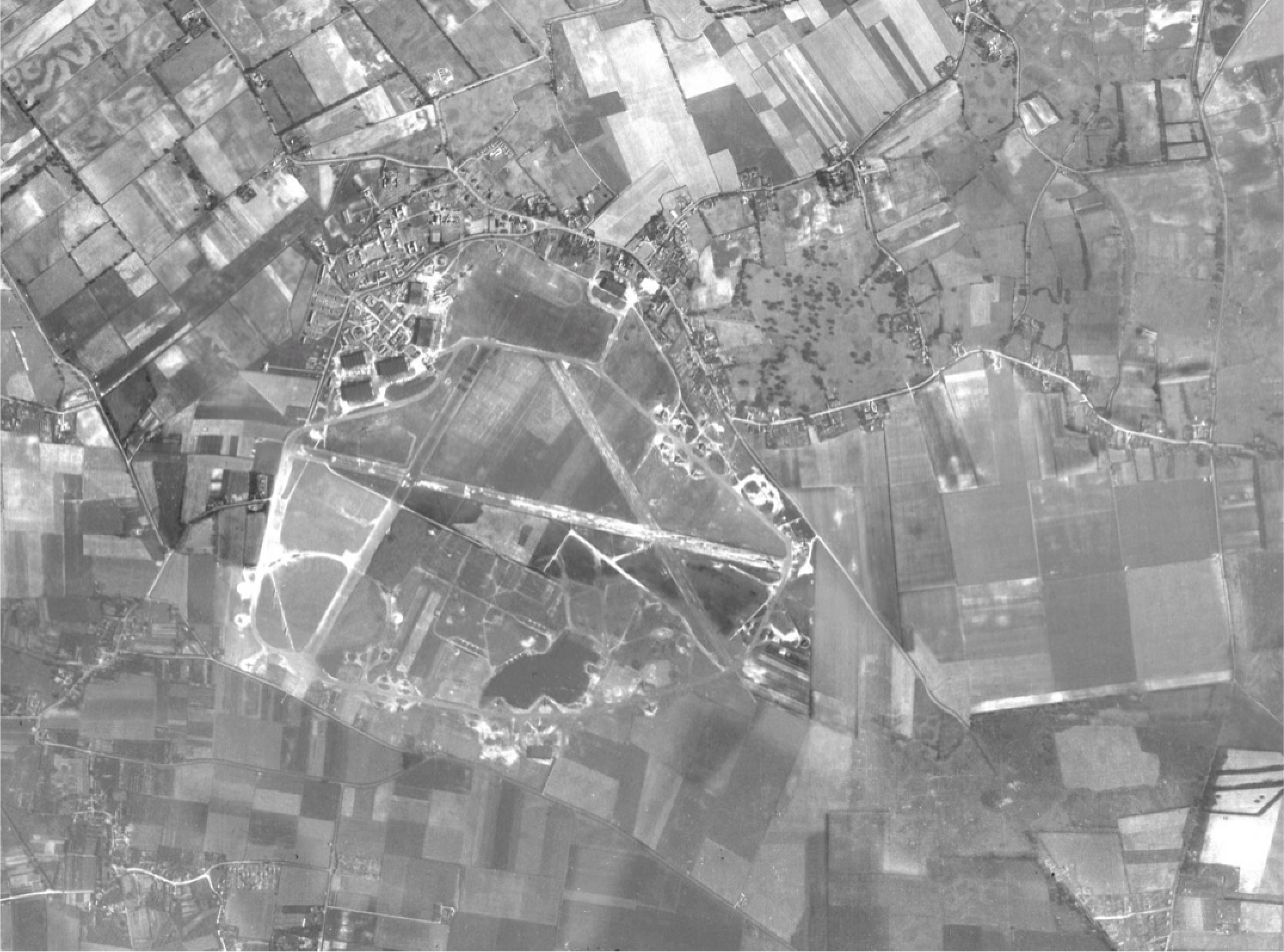
A UXO risk area refers to a specific geographical location that has been identified as having a higher probability of containing Unexploded Ordnance based on its history. These areas are typically defined during the Preliminary Risk Assessment.
Common examples of UXO risk areas include:
WWII Bombing Targets – City centres, industrial complexes, ports and railway yards that were targeted by aerial bombing campaigns.
WWII Decoy Sites – Areas where decoy fires (Starfish sites) were lit to mislead enemy bombers away from real targets. Ironically, these areas were often bombed.
Military Training Areas – Former and current Ministry of Defence (MOD) lands used for training with live ammunition, including firing ranges and tank training grounds.
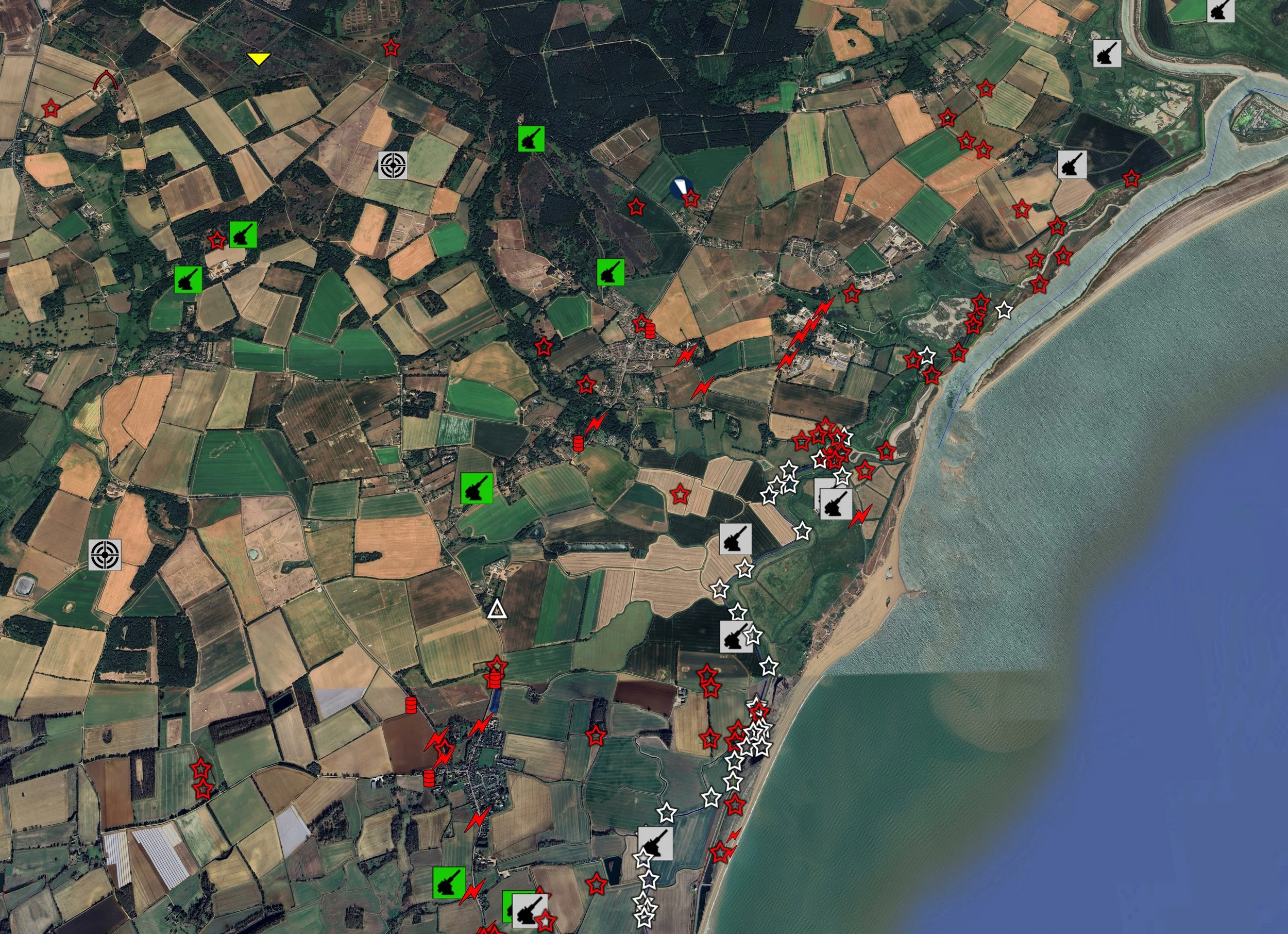
Defended Locations – Areas along coastlines with anti-invasion defences, such as pillboxes and minefields.
-
A UXO survey is a systematic process of assessing land for the potential presence of Unexploded Ordnance. It's not always a single action but a tiered approach:
Preliminary Risk Assessment/Desk Study – The first and most crucial step. Specialists review historical maps, bombing density records (such as Luftwaffe maps or Allied bombing records), and old military maps to build a picture of the site's history and to calculate a risk rating (Low, Medium, or High).
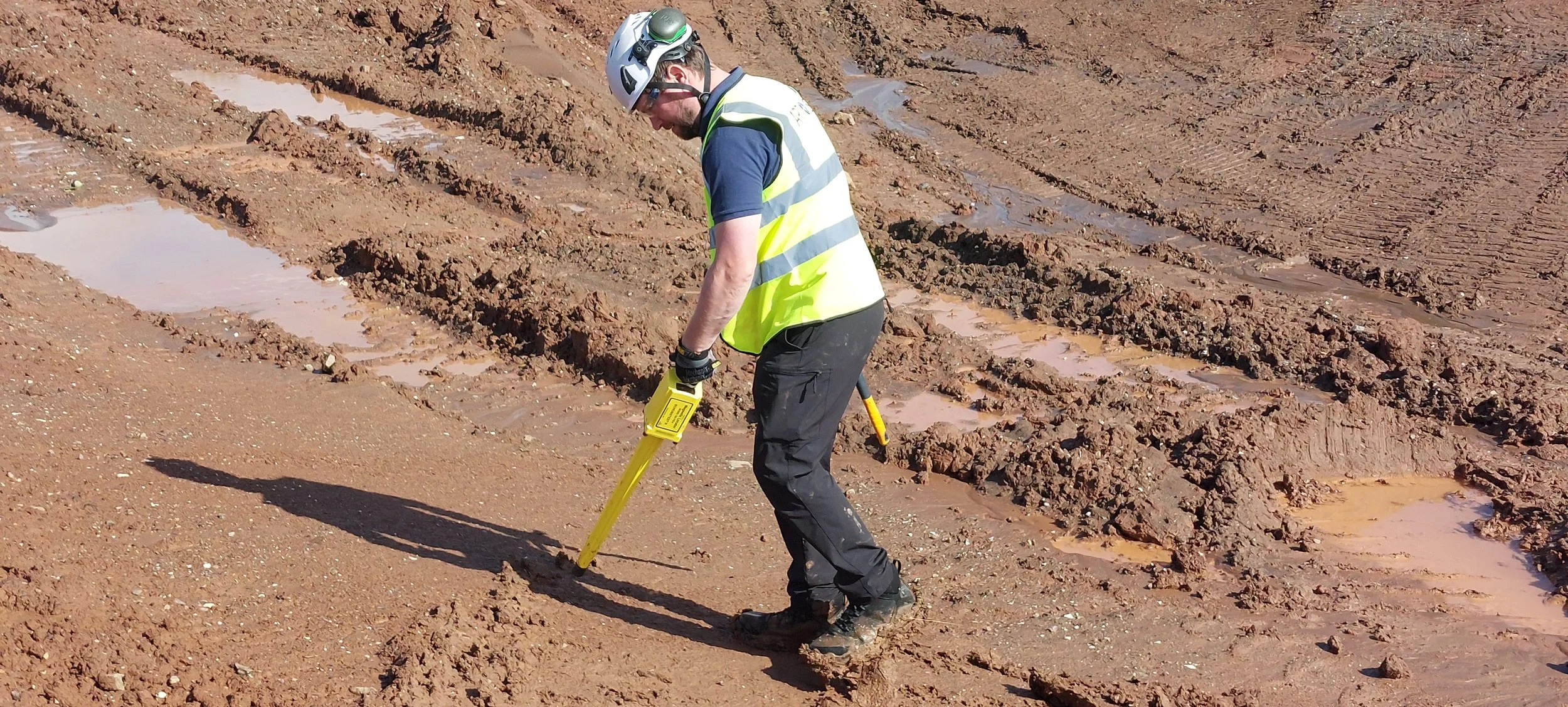
Site Reconnaissance – A physical walkover of the site to look for surface evidence of military activity or ordnance.
Geophysical Survey (if required) – For high-risk sites, this involves using advanced equipment like magnetometers to detect metallic anomalies in the ground. This is often a precursor to intrusive works.
-
Whether you need a UXO survey depends on your project's location and historical land use. You likely need a Preliminary Risk Assessment (also known as a desk study) if:
Your site is in a known bombing target zone – This includes cities, industrial areas, dockyards, or airfields that were heavily bombed during WWII.
Your site has a military history – If the land was formerly used as a military training ground, firing range or proving ground.
You are planning intrusive ground works – Activities like drilling, piling, excavating for foundations, or digging trenches significantly increase the risk of encountering UXO.
You are working on a linear infrastructure project – Pipelines, railway lines and roads often traverse areas of varying risk levels.
Skipping this initial step can lead to project delays, safety risks to your workers, and significant financial liabilities if UXO is discovered during construction. A simple UXO risk assessment is the best place to start.
-
In the UK, the need for a UXO Risk Assessment for a site is usually determined by the history
of activity on site during and after WWII. A basic Stage 1 or Preliminary UXO Risk Assessment, which is usually inexpensive, can determine whether or not further assessments/surveys are required on site.
-
While not always a legal requirement in all cases in the UK, the conduct of a UXO risk assessment prior to ground works is considered best practice under CDM Construction (Design and Management) Regulations 2015 and the Health and Safety at Work Act 1974. It goes a long way in ensuring due diligence and supports site safety.
Moreover, the risks of project interruption or of a severe H&S incident arising due to the encounter with an item of UXO far outweigh the costs of conducting a UXO Risk Assessment.
-
Most ‘free risk maps’ available online only consider WWII bombing density. While this is an important factor in determining UXO risk, it is not the only one. Even for ‘low bombing density areas’ where minimal wartime bombing is recorded, it is still advisable to conduct a Stage 1 Preliminary UXO Risk Assessment, for a holistic estimation.
-
See Q2. As described above, UXO Risk Management is a multi-stage process. Stages 1-3 are usually conducted before any works commence (or in the project planning phase). Where Stage 4 on-site mitigations are needed, they are normally conducted in sync with ongoing ground works; however, some ground works normally do have to be planned around UXO mitigation activities, e.g. piling works are usually preceded by a Magnetometer probe.
-
Yes. Despite being buried for decades, Unexploded Ordnance, particularly WWII-era bombs, contain highly stable explosives that were designed to detonate upon impact. The explosives do not become inert or safe over time.
In fact, the firing mechanisms and fuzes can become more sensitive and unstable due to corrosion and physical degradation. The shock of a mechanical excavator bucket, a piling rig, or even a heavy vehicle driving over a shallow item can be enough to cause a violent detonation. They are just as deadly today as they were when they were first dropped.
-
The discovery of a suspected UXO device on site requires the evacuation of site personnel to safe distance until the nature of the device is confirmed. If appropriate UXO risk mitigation measures have been employed on site, suitable protocols will already be in place for such an eventuality, including identification of the suspect object a UXO Engineer and informing police/military authorities if needed.
-
As a landowner or developer, the responsibility for dealing with UXO ultimately falls on you. Under health and safety legislation (such as the CDM Regulations 2015 in the UK), you have a legal duty to manage all risks on your site, including the risk posed by UXO.
This duty is typically managed by:
Hiring a Specialist Contractor – You engage a specialist UXO consultancy and clearance company to conduct the risk assessment, survey and any required removal.
Informing the Authorities – If a live item is found, the procedure is to stop all work, evacuate the area and contact the local police and Explosive Ordnance Disposal (EOD) unit (such as the British Army or RAF). However, the cost of the disruption and the subsequent specialist removal is borne by the project.
-
The disposal of UXO is an extremely dangerous task that should only be carried out by qualified military personnel or licensed EOD contractors.
The process depends on the item's size, condition and location, but common methods include:
Controlled Detonation (High Order) – The most common method. The item is either covered with sandbags or placed in a specialised containment vessel and then safely detonated in situ. This creates a loud bang but contains the fragments.
Disruption – A smaller, shaped charge is used to disrupt the fuse mechanism, rendering the item safe without a full high-order explosion.
Removal and Disposal (Low Order) – If safe to do so, a specialist team may remove the fuse and transport the item to a licensed facility for disposal or scrapping. This is less common for highly degraded WWII bombs.
If you find UXO, your only action is to stop work, evacuate and call the experts.
-
If the UXO Risk Management process has been actioned through all stages appropriately by a professional service provider, then the risk from UXO on site can be considered to be reduced to a level that is ALARP (As Low as Reasonably Practicable). This means that works at the site can proceed as planned, with the knowledge that suitable measures are in place in case of a UXO encounter.
Every decision we make is shaped by a clear sense of purpose.
What began as a passion project has evolved into something more. We’re proud of where we’ve been and even more excited for what’s ahead. What sets us apart isn’t just our process—it’s the intention behind it. We take time to understand, explore, and create with purpose at every turn.