Understanding AXO and its risks
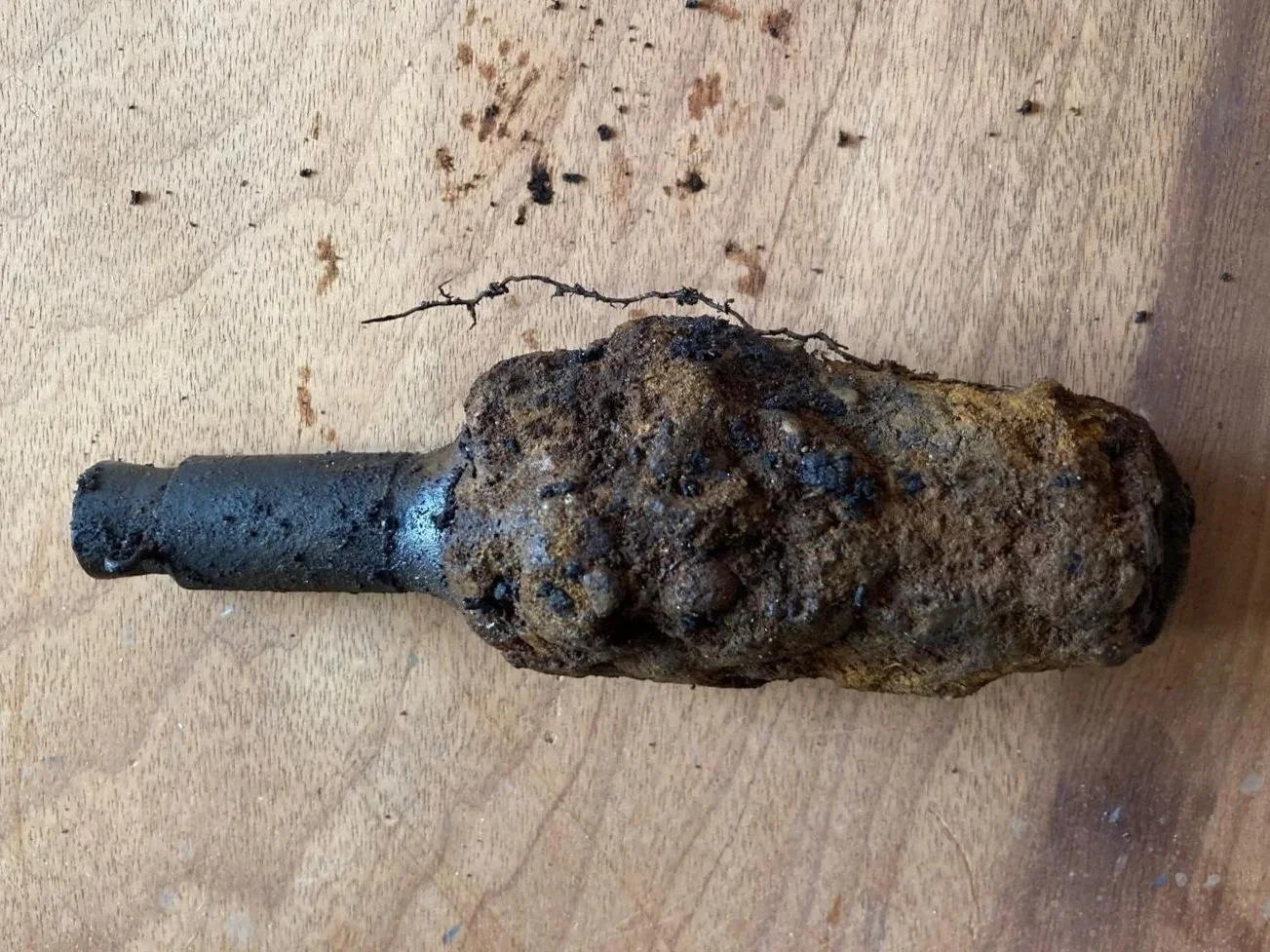
WW1 era AXO found along Essex coastline
While Unexploded Ordnance (UXO) is widely recognised and usually accounted for in early-stage planning in certain areas of the UK, land contamination from Abandoned Explosive Ordnance (AXO) is often less well understood, despite presenting comparable hazards. As the source of contamination can sometimes be less obvious, AXO is often overlooked but it can pose serious risks to land development and construction projects.
What is AXO and why does it exist?
Abandoned Explosive Ordnance (AXO) refers to explosive ordnance that was not discharged/fired during armed conflict and, as a result, has been left behind or dumped, no longer under control of the party who left it. Unlike UXO which has been deployed but has failed to detonate, AXO may not have been primed, fuzed, or armed. AXO can include a range of military munitions, including abandoned stockpiles, training ammunition, and partially dismantled ordnance. These exist for a range of reasons, and in many cases this may be due to a rapid withdrawal of troops from an area, abandonment at the end of a conflict, or obsolete/improper munitions disposal practices. In many cases, poor documentation or missing records make their presence difficult to predict.
Key differences between AXO and UXO
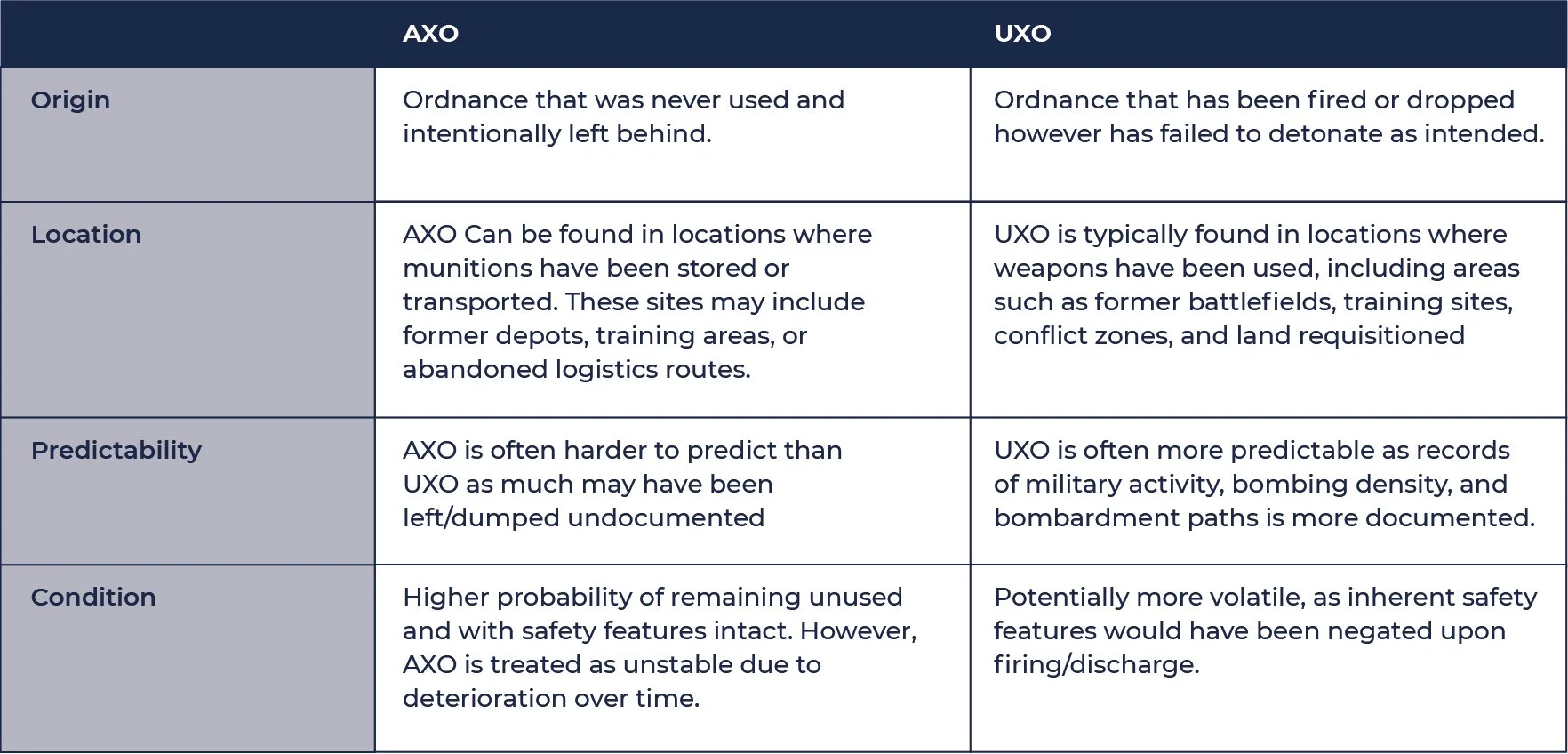
The main distinctions between AXO and UXO lie in how the ordnance was used, and these key differences are detailed in the table below.
Why AXO risk is growing
The risks posed by AXO are becoming increasingly relevant as land use continues to evolve and previously undeveloped or requisitioned areas are being brought into new use. The continued demand for housing, renewable energy projects, and large-scale infrastructure is leading to increased expansion into former military training grounds, former ammunition depots, along with development on formerly requisitioned land. In many instances, access to reliable historical records and data for these areas is limited, or simply non-existent, creating uncertainty and increasing the likelihood of encountering ordnance during groundworks.
Identifying risk factors
While AXO encounters can be less predictable than UXO, there are a number of indicators that may present clues to elevated risk. These historical indicators include records or anecdotal evidence of former barracks or military camps, WWII ammunition depots, wartime airfields, military training areas, and historical transport routes. There are several physical indicators which include the remnants of storage structures and unusual ground disturbances.
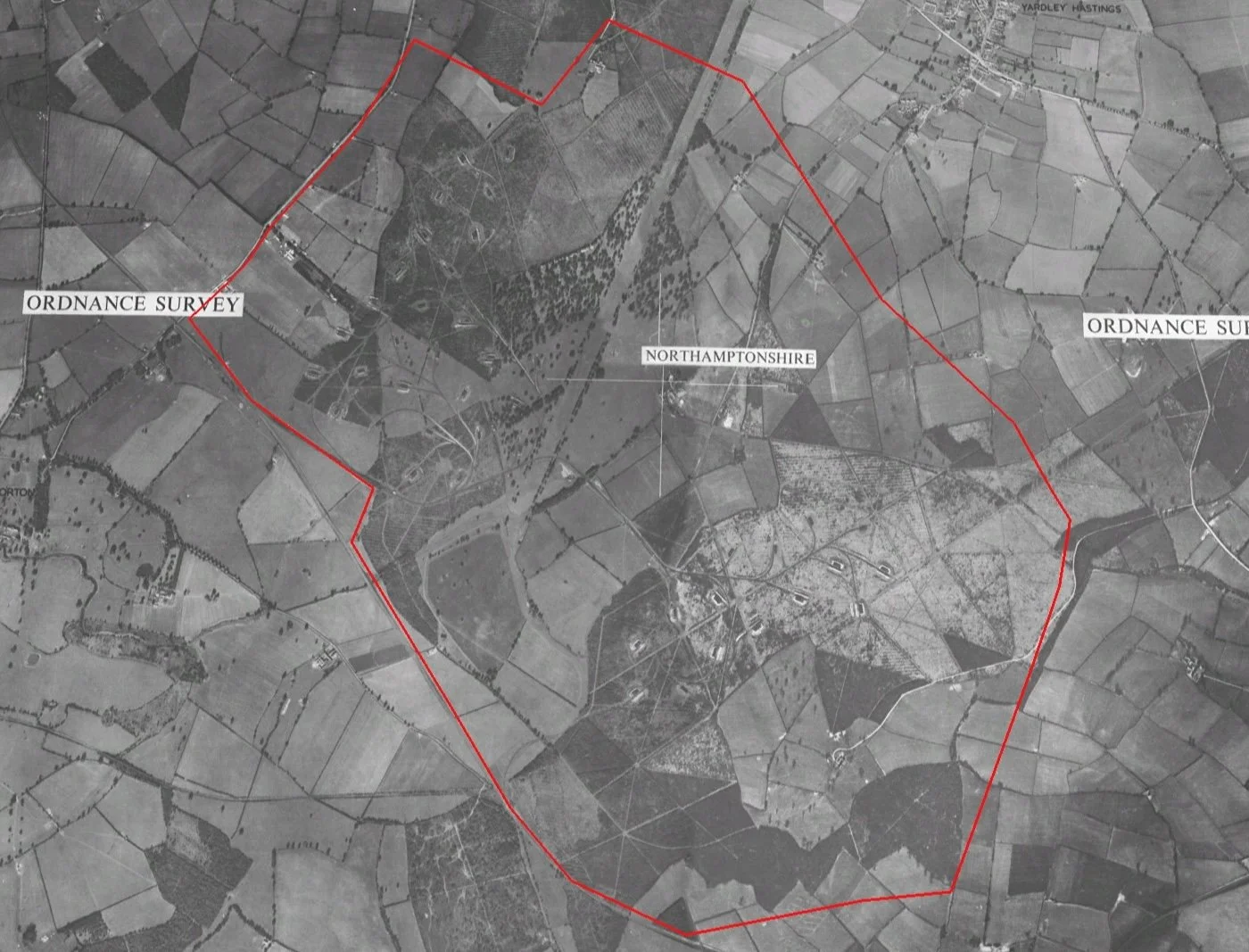
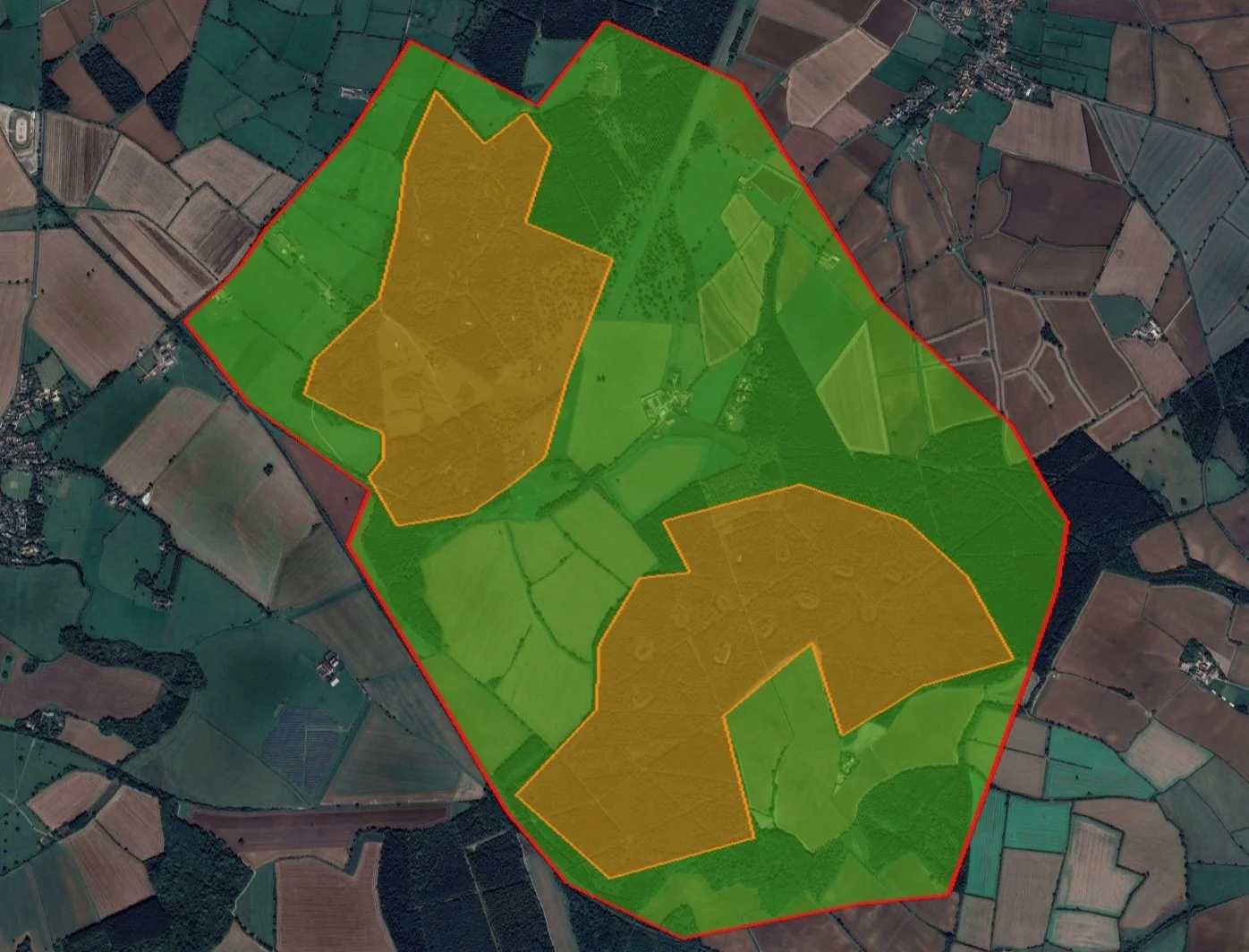
Zoned risk areas showing increase in assessed level of risk of AXO encounter at the site of a wartime ordnance depot ,based on historical research and imagery analysis.
Detailed reviews of historical documentation and aerial imagery assist in building a clear picture of both historical and contemporary land use within an area, whilst recognising that AXO risk is highly localised in comparison to UXO and often extremely site-specific.
AXO is not necessarily correlated with bombing patterns across the UK and as a result presents a unique challenge, with an absence of consistent or reliable records. The distribution on AXO is rarely systematic and often there is limited evidence or records of where munitions may have been abandoned.
Case Study: Discovery of 150 WW2 grenades on Hartlepool Beach
https://www.bbc.co.uk/news/articles/cy0821yqr4wo
In April 2026, a significant discovery of WWII ordnance was made at Crimdon Dene Beach near Hartlepool, where approximately 150 wartime phosphorous grenades were uncovered along its shoreline.
The discovery of the ordnance was triggered by an explosion that caused minor burns to a member of the public, prompting an emergency response. Subsequent investigation by The Army identified the items as Self-Igniting Phosphorous (SIPs) grenades which were designed to light on contact with air and, historically, have been used by the British Home Guard.
(https://www.bbc.co.uk/news/articles/c0e730jnjlxo)
The assessment of the area revealed a substantial quantity of these devices that were partially buried within the sand. Despite these grenades having remained in the sand since WWII, a major risked was posed owing to their design to ignite upon exposure to air. Controlled explosions were carried out within the area, with a safety cordon proposed to restrict access to the area and ensure public safety during the clearance.
It is believed that these grenades were originated from wartime training or defence activities in the local area, highlighting the risks posed by improperly disposed ordnance. This also demonstrates how coastal movements play a role in likelihood of uncovering ordnance, with coastal erosion and dynamic environmental conditions gradually exposing the ordnance over eight decades later, long after their original disposal. This is especially true in areas along the British coast that were heavily defended during WWII, but can also occur in areas that are not usually ‘suspect’.
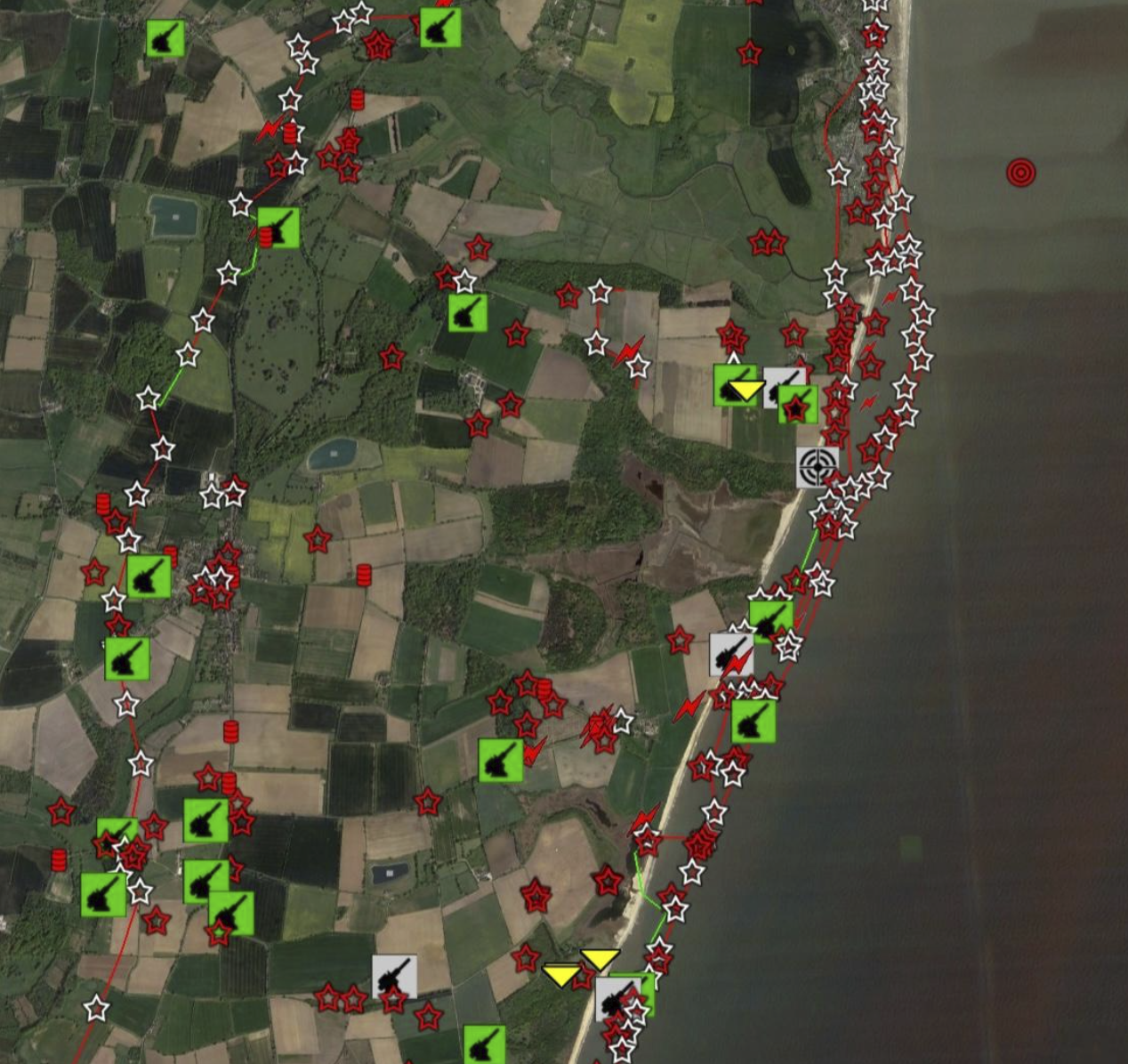
Potential AXO contamination: Dense concentration of wartime coastal defences
This case study draws attention to several key lessons. Firstly, it highlights that AXO is not confined to inland military sites but can also be present along coastlines, especially if wartime military activity occurred within the area. It draws attention to the long-term risks when the nature of an area’s previous land use is not completely understood. It also demonstrates that risk does not necessarily correlate with bombing density and that ordnance can exist in locations across the UK.
Secondly, it demonstrates how environmental processes may play a role in altering the likelihood of encountering legacy ordnance within an area, where long-term coastal erosion patterns may lead to the uncovering of decades-old buried explosive ordnance. Moreover, tidal currents and sediment movements may alter the risk-profile by transporting underwater ordnance closer to shore, leading to contemporary discoveries of ordnance.
Mitigation Strategies
Effective AXO risk management and risk mitigation in the context of the UK start with comprehensive desk-based assessment and research, incorporating historical research along with specialist data to identify potential hazards in the early stages. By combining detailed historical data with technical insight, it is possible to reduce the likelihood of discovering AXO and minimise project delays.
Conclusion
AXO presents as much of a credible, but underestimated, risk as UXO to development and construction across the UK. As land-use continues to evolve and we begin to expand development across both inland and coastal former military areas, the likelihood of discovering legacy ordnance is beginning to increase.
Compared to UXO contamination, AXO is significantly less documented and highly localised, making it much more difficult to predict without detailed assessment, as highlighted within our case study. In order to avoid such costs, delays, and safety challenges, a proactive approach can be adopted. Here, by combining historical insight with targeted technical expertise, informed decisions may be made in order to reduce delays and disruptions, ensuring full safety and efficiency.